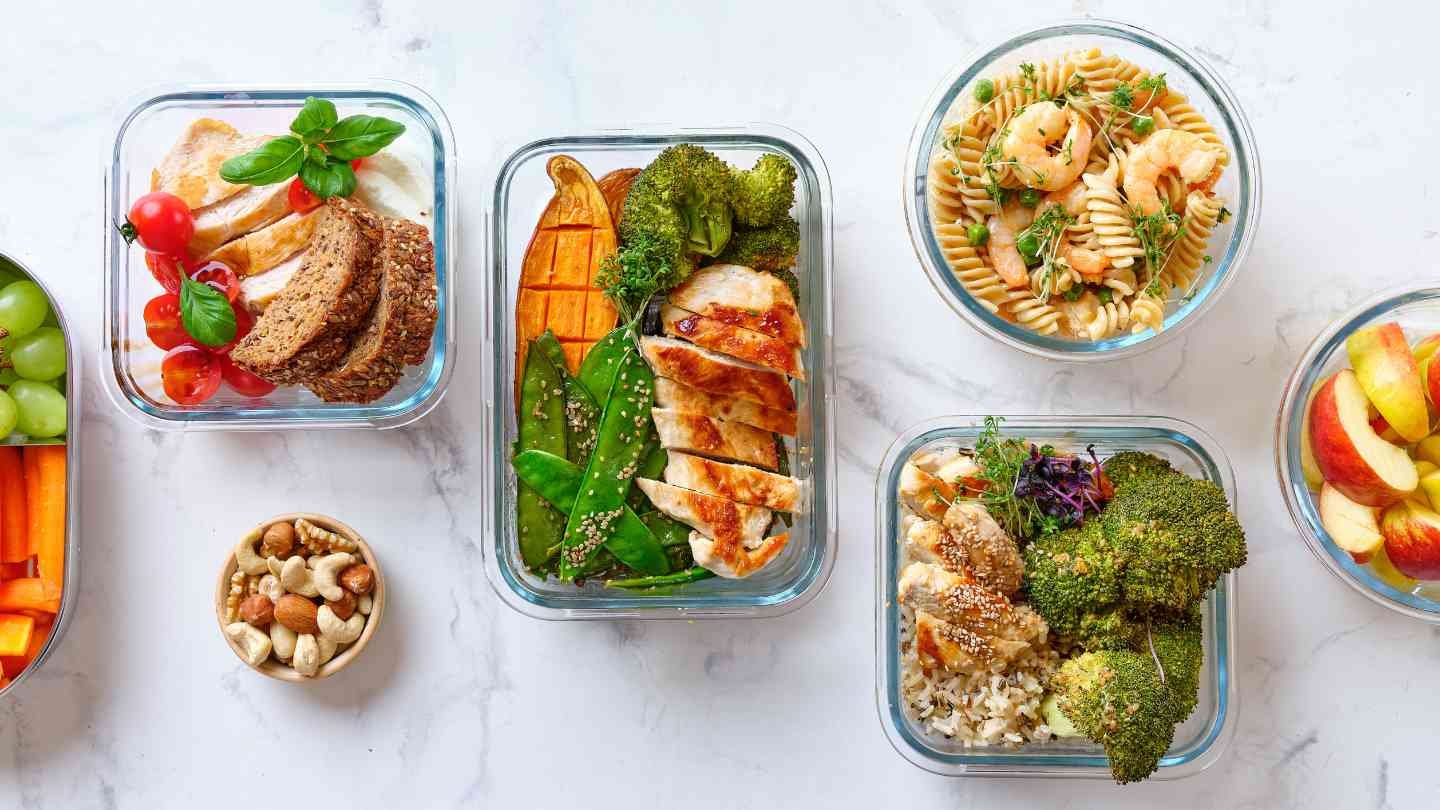
When you’re a working mom juggling a career, kids, and the endless “What’s for dinner?” question, meal prepping can be a lifesaver.
Most meal prep tools use plastic containers. You may wonder: “Are these containers safe for your family, especially your toddler?”
The short answer is: yes, they can be safe if you choose the right kind and use them properly.
Let’s break it down so you can prep with confidence.
Why Safety Matters for Meal Prep Containers
Plastic is convenient. It’s lightweight, affordable, and easy to store. But not all plastic is created equal.
Some containers might have harmful chemicals like BPA (Bisphenol A) or phthalates. These can leach into food, especially when heated.
This is a big concern for toddler meals. Young children are more vulnerable to chemical exposure.
Related Reading: How I Saved Hours Every Week With Simple Meal Prep Hacks
What to Look for in Safe Plastic Containers
1. Choose BPA-Free and Food-Safe Labels
Check the packaging or the bottom of the container for a “BPA-free” label or a note about food-safe plastic.
These containers are designed to reduce chemical leaching. They are safer for food storage.
2. Check for FDA Approval
Look for FDA-approved food containers. This means they meet safety standards for food contact and storage.
3. Know the Plastic Codes
Flip your container over, and you’ll see a small triangle with a number inside:
#1 (PETE) – Safe for single use, not for reheating.
#2 (HDPE) – Generally safe, good for cold storage.
#4 (LDPE) – Safe, flexible, and good for food bags or lids.
#5 (PP) – One of the safest plastics for hot food and microwaving.
Avoid #3 (PVC) and #7 (Other) unless labeled BPA-free.
Safe Usage Tips for Plastic Meal Prep Containers
1. Avoid High Heat
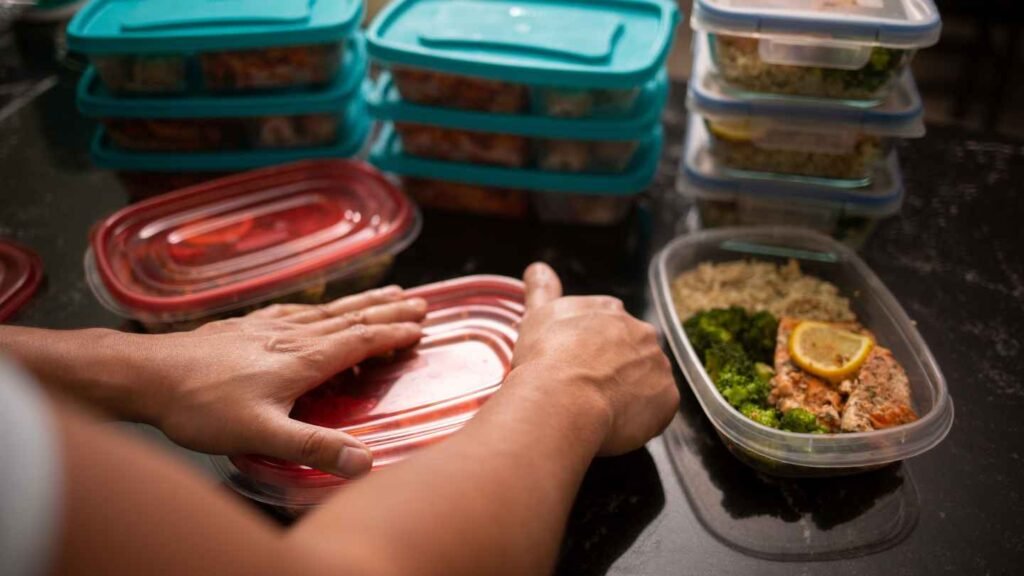
Even if labeled microwave-safe, limit reheating food in plastic. Heat increases the chance of chemicals leaching into your meals.
If you must reheat, transfer food to a glass or ceramic dish first.
2. Don’t Use Damaged Containers
Cracks, scratches, or cloudiness can make plastic more likely to release chemicals. Replace worn-out containers promptly.
3. Store Food at the Right Temperature
Plastic is fine for cold storage in the fridge or freezer. But avoid leaving it in hot environments like a parked car or direct sunlight.
4. Keep Containers for Their Intended Purpose
Some containers are designed for cold salads and snacks, not hot soups or curries. Read labels and follow manufacturer recommendations.
Related Reading: How I Feed My Toddler Healthy Meals Every Day While Working Full Time
Alternatives to Plastic for Health-Conscious Moms
If you’d rather skip the plastic concerns altogether, consider:
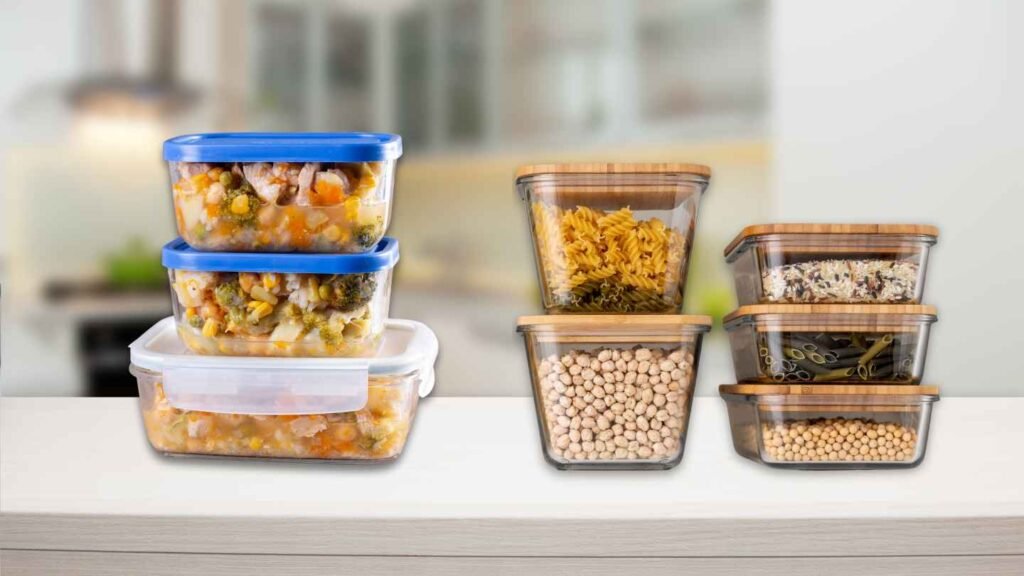
- Glass containers: Durable, microwave-safe, and chemical-free.
- Stainless steel lunch boxes: Great for dry snacks and toddler finger foods.
- Silicone bags or containers: Flexible, reusable, and heat-resistant.
Pros & Cons: Plastic vs. Glass vs. Silicone
Plastic (BPA-free)
Pros: Lightweight, budget-friendly, and comes in many sizes
Cons: Prone to scratching, potential chemical leaching
Glass
Pros: Durable, chemical-free, oven/microwave safe, recyclable
Cons: Heavy, breakable, often more expensive
Silicone
Pros: Flexible, reusable, safe, and lightweight
Cons: Can retain flavors, slightly pricier
Tip: Keep both plastic and glass handy. Plastic for lightweight mornings, glass for heating and storage.
Quick Comparison of Trusted Options
Here’s an overview of how different containers stack up based on recent testing and reviews:
- OXO Good Grips Prep & Go (Plastic): Reliable and microwave-safe.
- Rubbermaid Brilliance: Sturdy, with a leak-proof seal. Great plastic option.
- Caraway Storage Sets: Elegant glass, microwave and oven-safe, and long-lasting.
Final Checklist for Safe Meal Prep Containers
- Choose BPA-free, food-safe containers
- Prefer polypropylene (#5) for hot or microwaved foods
- Use glass for oven/microwave meals and long-term freshness
- Replace containers at the first sign of wear
- Keep containers cool and avoid prolonged heat exposure
- Combine materials: plastic for transport, glass for reheating
The Bottom Line for Busy Families
So, are plastic meal prep containers safe? Yes, if you choose BPA-free, food-safe, and microwave-safe options, and use them properly.
For busy working moms, safe plastic containers can fit into your healthy meal prep routine. Just pair them with good usage habits, and your toddler’s food will stay both nutritious and safe.
If you found this helpful, you might also enjoy my article on “How I Feed My Toddler Healthy Meals Every Day While Working Full Time” to get meal ideas your toddler will actually eat.